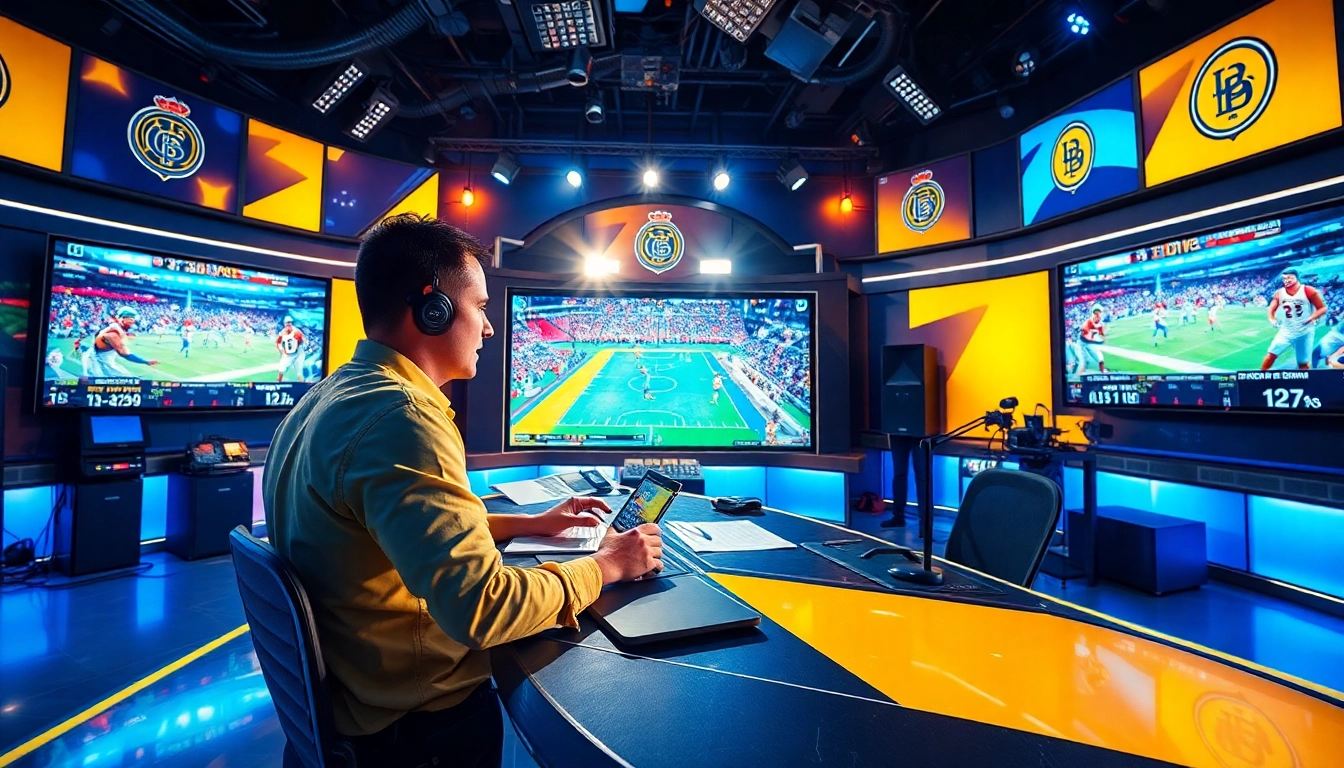
The Importance of Sports Broadcasting in Modern Media
Sports broadcasting has morphed into a monumental entity in modern media, capturing the hearts of millions worldwide. From exhilarating live games to in-depth analysis, the dynamics of how sports are presented have radically transformed over the years. The significance of Sports Broadcasting lies not only in entertainment but also in its intricate relationship with culture, economics, and technology.
Historical Context of Sports Broadcasting
The evolution of sports broadcasting began in the early 20th century with radio broadcasts. The first-ever sports broadcast was a boxing match in 1921, followed by the first televised baseball game in 1939. Over the decades, sports broadcasting has undergone profound changes, incorporating advancements in technology—from black and white TVs to high-definition streaming services. Initially, sports coverage was limited to radio and television, but the introduction of cable channels and the internet redefined accessibility. Today, sports fans can immerse themselves in live coverage, highlights, and commentary across multiple platforms, illustrating the extensive growth and adaptation of sports broadcasting to audience needs.
How Sports Broadcasting Influences Fan Engagement
Fan engagement is pivotal for sports organizations and broadcasters alike. Real-time updates and engaging content transform a passive viewing experience into an interactive one, allowing fans to participate in discussions, polls, and even fantasy leagues. The integration of social media has further heightened this engagement; platforms like Twitter and Instagram serve as channels for fans to converse during live events. Broadcasters use data analytics to tailor content that resonates with target audiences, enhancing the spectator experience and fostering loyalty.
The Economic Impact of Sports Broadcasting
The economic ramifications of sports broadcasting are extensive. Media rights deals constitute a significant revenue stream for leagues and teams, with broadcasters willing to pay hefty sums for exclusive access. This influx of capital supports not only the professional sports franchises but also the entire ecosystem surrounding them—venues, merchandise, and local economies. Furthermore, advertising revenue generated from sports broadcasts accounts for a substantial portion of a network’s budget, showcasing the influential role of sports in shaping market dynamics.
Key Technologies in Sports Broadcasting
Advancements in Live Streaming
Live streaming technology has revolutionized how sports are shared globally, breaking geographical barriers to reach international audiences. With platforms like YouTube, Facebook, and exclusive sports apps, fans can watch live events in real time, providing them with unprecedented access. Technologies such as Adaptive Bitrate Streaming ensure seamless viewing experiences, minimizing buffering and enhancing image quality. The rise of mobile streaming has also empowered fans to watch events on-the-go, making sports more accessible than ever before.
The Role of Virtual Reality in Sports Broadcasting
Virtual reality (VR) is at the forefront of immersive experiences in sports broadcasting. This technology allows viewers to step into the action, offering a 360-degree view that places them right in the stadium or arena. Major sports tournaments are experimenting with VR to enhance fan engagement. By creating virtual experiences, broadcasters not only provide organic content but also foster a deeper connection between fans and their favorite teams or athletes, paving the way for future innovation in how sports are consumed.
Emerging Technologies Shaping Future Broadcasts
The future of sports broadcasting is underpinned by several emerging technologies, including artificial intelligence, augmented reality, and machine learning. AI is being leveraged to analyze player performance, predict outcomes, and create personalized viewing experiences for fans. Augmented reality enhances broadcasts by overlaying graphics in real time, providing viewers with additional statistics, player info, or interactive elements during games. As these technologies evolve, sports broadcasts will likely become more engaging and informative, providing clearer insights and enriching the overall viewing experience.
Best Practices for Effective Sports Broadcasting
Creating Compelling Broadcast Narratives
A compelling narrative is crucial for capturing the audience’s interest during broadcasts. Sports commentators and producers must weave statistics, player backgrounds, and team stories into a cohesive narrative that resonates with viewers. Engaging commentary, storytelling techniques, and strategic pacing create an emotional connection, keeping fans invested throughout the event. Broadcasters should prioritize well-researched stories and personalize content to create a unique viewing experience that elevates sports broadcasting.
Understanding Audience Preferences
Knowledge of audience preferences is fundamental for effective sports broadcasting. Conducting surveys, utilizing analytics, and monitoring viewer feedback helps broadcasters determine what content resonates most. By tailoring broadcasts to the audience’s demographic, preferences for commentary styles, and viewing habits, broadcasters can enhance engagement and loyalty. Analyzing viewer trends over time further aids in scheduling events and promoting content that meets audience expectations.
Leveraging Social Media During Broadcasts
Social media platforms present an invaluable opportunity for enhancing the viewing experience. Broadcasters should seamlessly integrate social media interactions during live events, encouraging viewers to engage via polls, questions, or live chats. By sharing behind-the-scenes content and exclusive insights on social media, broadcasters can create a sense of community and involvement among fans. Dynamic real-time interactions, such as hashtag campaigns or contests, enhance audience engagement while deepening their connection to the sport and brand.
Challenges Faced in Sports Broadcasting
Navigating Licensing and Rights Issues
The landscape of sports broadcasting is often complicated by licensing and rights issues. Securing broadcast rights for major sporting events can involve extensive negotiations and high costs. Furthermore, these rights vary widely by region, leading to discrepancies in availability for viewers. Broadcasters must remain informed about evolving legislation and international agreements to ensure compliance and to maximize viewership across different platforms and regions.
Addressing Quality and Technical Challenges
Technical challenges in sports broadcasting can severely affect viewer experience. Issues like poor transmission quality, inadequate streaming speed, or mishandled camera angles can detract from the enjoyment of live events. Broadcasters are increasingly investing in robust infrastructure and cutting-edge equipment to mitigate these challenges. Rigorous testing, skilled technical staff, and continual updates of technology ensure quality broadcasts that meet viewer expectations and maintain industry standards.
Adapting to Changing Viewer Habits
As viewer habits evolve, sports broadcasters must adapt to keep pace. The rise of on-demand streaming and cord-cutting behaviors have forced traditional broadcasters to reconsider their models. Understanding when and how audiences prefer to consume content is essential; innovations such as shorter highlight reels or tailored viewing options cater to preferences for fast-paced delivery. Adapting programming to fit the demands of modern audiences ensures continued relevance in a competitive market.
The Future of Sports Broadcasting
Trends to Watch in Sports Broadcasting
The future of sports broadcasting lies in continually evolving trends. The rise of subscription-based services is changing how fans access content, with many opting for platforms that offer selective viewing conveniences over traditional cable packages. Enhanced interactivity, personalized experiences, and integration with gaming platforms are on the horizon, creating opportunities for deeper engagement with the sport. Keeping an eye on these trends allows broadcasters to remain agile in a fluctuating marketplace.
Integrating Analytics for Enhanced Broadcasts
As data analytics becomes more sophisticated, its integration into sports broadcasting will drive informed decision-making. Broadcasters can utilize analytics to provide insights into player performance, audience engagement, and content efficacy. Data-driven strategies enhance broadcasts by allowing networks to adjust in real-time based on viewer reactions, ensuring content meets expectations and provides a richer experience for fans.
The Role of Interactivity in Future Broadcasts
Interactivity is poised to redefine the sports broadcasting landscape, with the potential to elevate viewer engagement to new heights. Features like interactive replays, clickable stats, and viewer-controlled camera angles allow fans to curate their own viewing experiences. Coupled with real-time data and social media integration, this creates a vibrant dialogue between the audience and the broadcast, ensuring fans feel part of the action and enhancing their overall enjoyment.
Frequently Asked Questions
What is sports broadcasting?
Sports broadcasting refers to the live transmission of sporting events and related content through radio, television, or online platforms, delivering real-time experiences to fans.
How has technology changed sports broadcasting?
Technological advancements have improved the quality, accessibility, and interactivity of sports broadcasts. Innovations like HD streaming and VR experiences have revolutionized how fans engage with sports.
What are the financial impacts of sports broadcasting?
Sports broadcasting generates substantial revenue from rights deals and advertising, supporting leagues, teams, and local economies while shaping market trends in sports entertainment.
How can broadcasters enhance fan engagement?
Broadcasters can enhance fan engagement by utilizing social media, creating compelling narratives, and leveraging analytics to deliver personalized viewing experiences that resonate with audiences.
What challenges do sports broadcasters face?
Sports broadcasters confront challenges such as licensing issues, technical quality hurdles, and the need to adapt to rapidly changing viewer habits to stay competitive and relevant.
About the Author