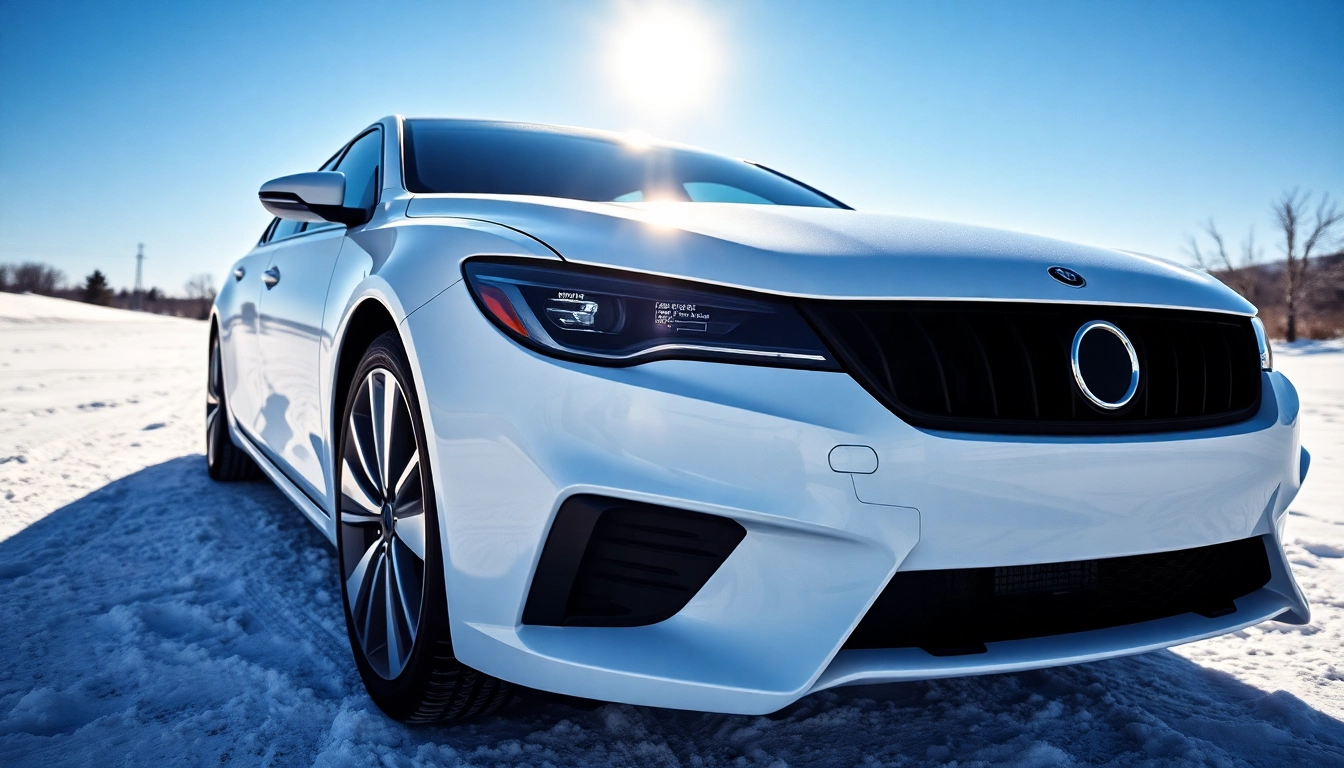
Understanding PPF Winter Road Salt Protection
What is PPF and its Importance?
Paint Protection Film (PPF) is a transparent thermoplastic urethane film designed to protect a vehicle’s exterior paint from various forms of damage. It provides an effective barrier against scratches, chips, and other environmental contaminants that could compromise the integrity of a vehicle’s aesthetic and value. During winter, particularly in regions where road salt is extensively used, PPF’s importance is magnified. By acting as a shield against the corrosive effects of road salt, PPF plays a crucial role in preserving the vehicle’s exterior finish. PPF winter road salt protection becomes paramount as it ensures a vehicle remains in pristine condition through the harshest weather conditions.
How Winter Road Salt Affects Vehicles
Winter road salt is often used to melt ice and improve traction; however, it poses significant risks to vehicles. The salt can cause corrosion, leading to rust formation on exposed metal components, which can compromise structural integrity. The paintwork is also susceptible to damage, as road salt can deteriorate clear coats, making the underlying paint more vulnerable to chips and scratches. Additionally, prolonged exposure to salt can dull the shine of the paint and can make cleaning more challenging.
Benefits of PPF Winter Road Salt Protection
The introduction of PPF in winter not only prevents damage but also ensures longer-lasting vehicle aesthetics. Among the undeniable advantages of utilizing PPF for winter road salt protection are:
- Corrosion Prevention: PPF acts as an impervious layer against the saline solutions that cause rust and corrosion.
- Scratch and Chip Resistance: With its robust properties, PPF mitigates the impact of road debris and salt clumps, reducing the risk of scratches and paint chips.
- Ease of Cleaning: The smooth surface of PPF allows for easier removal of road grime, making regular clean-ups hassle-free.
- Enhanced Resale Value: Vehicles with protected paint surfaces tend to retain their value better, making PPF a worthy investment for any car owner.
Choosing the Right PPF for Your Vehicle
Types of Paint Protection Film
PPF comes in various types, each catering to specific needs and preferences. The most common include:
- Self-Healing PPF: This film has unique properties that allow minor scratches to heal over time, maintaining a flawless appearance.
- Matte PPF: For vehicles with a matte finish, this type of PPF ensures protection while preserving the distinctive look.
- Glossy PPF: This traditional option enhances the shine and depth of color on vehicles with glossy paint.
How to Select the Right Quality
When selecting a PPF film, quality should be the foremost consideration. High-quality PPF features:
- Durability: Look for films that can withstand UV rays, heat, and environmental stressors without degrading.
- Thickness: Thicker films generally offer better protection but may be more challenging to install and require professional help.
- Warranty: A good PPF should come with a manufacturer’s warranty, reflecting its durability and effectiveness.
Cost Considerations for PPF Winter Road Salt Protection
The cost of PPF installation can vary based on factors such as vehicle size, the complexity of the installation area, and film quality. Expect to pay anywhere from $500 to $2,000 for a full vehicle installation. It’s essential to balance cost with quality; cheaper films may not provide adequate protection in the long run, particularly against winter road salt. It’s also advisable to receive quotes from various professionals to ensure you’re making an informed decision.
Installation Process of PPF
DIY vs Professional Installation
Choosing between DIY and professional installation can affect PPF performance. While DIY kits are available and can save money, achieving a seamless and bubble-free finish can be challenging without experience. Professional installations offer expertise but come with higher costs. Ultimately, if the aesthetic and longevity of your vehicle’s appearance are priorities, professional installation is strongly recommended, particularly during the winter months when road salt exposure is common.
Step-by-Step Guide for Installation
For those opting to install PPF themselves, follow this step-by-step guide to ensure success:
- Gather Supplies: Ensure you have all necessary tools, including a heat gun, squeegee, and cleaning agents.
- Clean the Surface: Thoroughly wash and dry your vehicle to eliminate all dirt and grease that could interfere with adhesion.
- Measure and Cut: Measure the film carefully, allowing extra to wrap edges. Cut accordingly.
- Apply Slip Solution: Use a slip solution to help maneuver the film easily onto the desired surface.
- Squeegee Out Air Bubbles: Starting from the center, work towards the edges to remove air bubbles and ensure flat adhesion.
- Trim Excess Film: Once positioned, carefully trim any excess film and ensure all edges are sealed.
Common Mistakes to Avoid
While installing PPF, be mindful of the following common mistakes:
- Insufficient Surface Preparation: Failing to clean the surface may lead to adhesion issues.
- Poor Measurement: Incorrectly measuring and cutting the film leads to poor coverage and appearance.
- Ignoring Environmental Factors: Installing in unsuitable temperatures can affect adhesion and functionality.
Maintaining Your PPF
Cleaning Techniques for PPF
To maintain the integrity of your PPF, following proper cleaning techniques is essential. Use pH-neutral car soap and a soft microfiber cloth. Avoid abrasive sponges, as they can scratch the film. Regular washing is crucial to prevent buildup of dirt, grime, and road salts, especially during winter.
When to Replace Your PPF
While PPF is designed to be durable, it isn’t indestructible. Signs that it may need replacing include discoloration, bubbling, and peeling. Regularly inspect your PPF, especially after winter, to assess its condition. If any of these signs are evident, consider replacing the film to ensure continued protection.
Longevity Expectations for PPF Usage
The longevity of PPF can vary based on factors such as the film’s quality, maintenance, and environmental conditions. Generally, high-quality PPF can last anywhere from 5 to 10 years with proper care. In regions with heavy road salt application, consider performing periodic checks to determine if reapplication is necessary.
FAQs About PPF Winter Road Salt Protection
How does PPF protect against road salt?
PPF acts as a barrier that shields the vehicle’s paint from the corrosive effects of road salt, preventing scratches and rust from forming.
Can I wash my car with PPF installed?
Yes, you can wash your car with PPF installed, but use a pH-balanced soap and a soft cloth to avoid damaging the film.
How long does PPF last in winter conditions?
High-quality PPF can last between 5 to 10 years, but its lifespan may shorten with extreme exposure to road salt without proper care.
Is professional installation necessary for PPF?
While DIY options exist, professional installation is recommended for optimal results, especially in challenging winter conditions.
What maintenance does PPF require during winter?
Regular washing and periodic inspections for damage are essential maintenance practices for PPF during winter to ensure its protective properties remain intact.
About the Author